
Kindergarten Readiness: The 6 Early Literacy Skills That Matter Most This Spring


“Are my students really ready for kindergarten?"
Every spring, I begin to notice a shift in preschool classrooms.
The calendar is filling with end-of-year celebrations. Kindergarten visits are being scheduled. Conversations about readiness start happening in the hallway. And quietly, sometimes with a bit of panic, teachers begin to wonder:
Are my students truly ready for kindergarten?
Kindergarten readiness is about far more than academics. Social-emotional development, independence, and confidence all matter deeply.
But after years as a kindergarten teacher, I can tell you this with certainty: Children who enter school with a strong literacy foundation experience a very different start. Even in my Title I classrooms, I watched it happen year after year. Students who arrived with key early literacy skills absolutely soared!
Before we look at these six essential skills, it is important to pause and acknowledge something essential: Oral language is the foundation of all literacy learning.
While oral language may not always appear as a “skill on a checklist,” it is a non-negotiable starting point. Every literacy activity we plan, from phonological awareness games to alphabet instruction and storybook reading, should continue to strengthen children’s language development. When oral language is strong, all other literacy learning becomes more meaningful and more successful.
Now, let's dive into the six essential literacy skills to focus on this spring, along with simple, research-aligned ways to strengthen them in your classroom.
1. Strong Letter Naming Knowledge
Research suggests that preschool children heading into kindergarten benefit from knowing approximately 18 uppercase and 15 lowercase letter names. This level of familiarity helps children participate more confidently in early literacy instruction and allows teachers to spend less time on basic introduction and more time on applying skills.
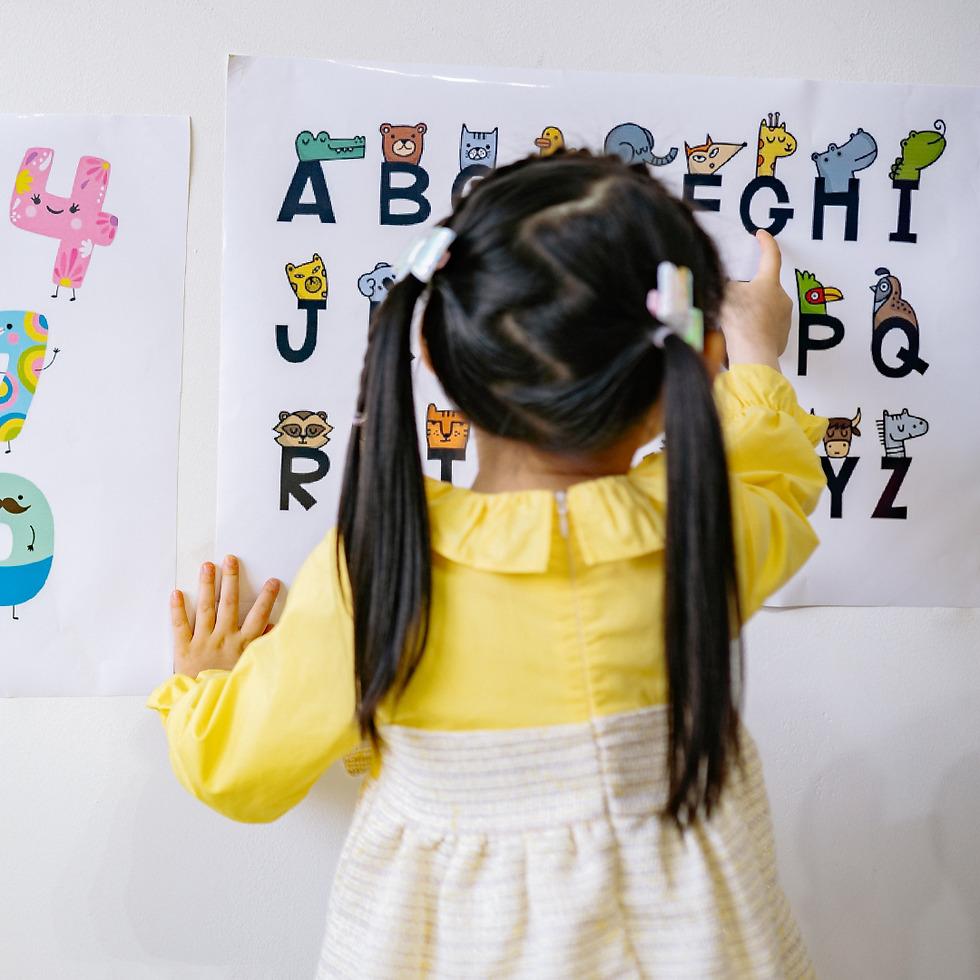
Letter knowledge is considered one of the strongest predictors of later reading success because it lays the groundwork for connecting letters to sounds, recognizing words in print, and beginning to decode. When children have repeated exposure to letters in meaningful and engaging ways, they build stronger memory pathways that support long-term learning.
If students are not there yet:
Stop relying on a “letter-of-the-week” approach! Instead, begin using intentional review systems that expose children to multiple letters regularly.
Research shows that children learn letters more efficiently when instruction is cumulative, explicit, and playful.
cycle through small groups of letters
review daily through games and movement
embed letters into centers and transitions
increase opportunities for retrieval practice
Consistent exposure using proven instructional systems can lead to noticeable growth even in the final months of preschool. Check out our free letter cycle frame to learn a research-backed approach!
2. Concepts of Print
Before children can read words, they must understand how print works and what it represents. Concepts of print are the foundational skills that help children make sense of books and written language. Without this understanding, reading can feel confusing because children don’t yet know how to navigate text.
These skills teach children that print carries meaning, follows predictable patterns, and connects directly to spoken language. When children understand how books and print work, they are better able to focus on letters, sounds, and eventually decoding words.
Children should begin to:
hold a book right-side up
identify the title and author
turn pages from front to back
track print from left to right
understand that spoken words match printed words

If students are not there yet:
Bring out big books and shared reading tools.
use pointers or “magic fingers” to track print
invite children to demonstrate page turning
model finding the title before reading
allow children to explore books independently
These simple routines build powerful print awareness.
3. Letter Sound Knowledge
So many times in preschool classrooms, letter sounds get neglected. Teachers may spend significant time on letter recognition or names, but sounds matter most because sounds are how children read and write. When children understand the sounds letters represent, they are able to begin blending words, attempting early writing, and making real connections to print.
Teaching letter names and sounds together strengthens overall alphabet learning and helps

children build more efficient recall. Using tools such as our Alphabet Motion Flashcards makes this learning more meaningful by combining visual supports, verbal practice, and purposeful movement. This whole-body approach increases engagement and helps sound knowledge stick.
If students are still unsure of sounds:
Increase multisensory, whole-body instruction.
pair sounds with motions
focus on a few target sounds until mastery, then review and increase
connect sounds to meaningful words
teach the name and sound together
Movement-based practice helps children retain sound knowledge more effectively than passive review.
Spelling development is deeply connected to reading development. When children learn to map sounds to letters in writing, they strengthen the same neural pathways used for decoding.
4. Rhyme Awareness
Rhyme awareness is an important part of phonological awareness and plays a meaningful role in kindergarten readiness. When children can hear that words sound alike, they are beginning to notice the sound patterns that form the foundation of reading.
Rhyming develops through a progression. Children first learn to recognize rhymes, then complete familiar rhyming patterns, and eventually begin experimenting with generating their own rhyming words. By the end of preschool, many kindergarten-ready children can easily identify rhyming pairs and participate in simple rhyme play.

If students are struggling:
Increase playful, intentional rhyme exposure throughout the day.
read rhyming books daily
pause during stories to let children fill in rhyming words
chant nursery rhymes and simple poems
play “Does it rhyme?” listening games. We love THIS Jack Hartmann song.
encourage children to create silly rhyming words
Frequent and meaningful exposure helps children tune into sound patterns naturally. These early listening skills make it easier for children to develop more advanced phonological awareness skills needed for decoding in kindergarten.
Syllable Awareness
Syllable awareness is another important phonological awareness skill that supports kindergarten readiness. When children can break words into syllable parts, they begin to understand that words are made up of smaller sound units. This awareness strengthens listening skills and helps prepare children for more advanced skills like blending sounds, decoding words, and attempting early spelling.
By the end of preschool, many children are able to clap, tap, or count the syllables they hear in familiar words, especially when the practice is playful and connected to daily routines.
If students need more practice:
Embed syllable work naturally throughout the day.
clap children’s names during transitions
segment snack or classroom object names
play “I Spy” using syllable clues
march, tap, or jump syllables during movement games
Short, frequent practice opportunities help build strong awareness over time.
6. Beginning Phoneme Blending
Phoneme blending, or putting individual sounds together to form a word, is one of the most important early literacy milestones for kindergarten readiness. This skill shows that children are beginning to understand how spoken language works at the smallest sound level. When children can blend sounds, they are taking a major step toward decoding words and reading independently.

Blending typically develops after children have had experience with rhyme, syllables, and listening to sounds in words. By the end of preschool, many children are able to blend simple, continuous sounds when the task is modeled clearly and practiced in playful ways.
Preschoolers should begin blending simple two-phoneme words such as:
me
go
no
up
If students are not yet blending:
Use visual and movement supports to make sounds more concrete.
place felt squares, stepping stones, or blocks on the floor
point to each space as you say each sound slowly
then sweep your finger or step across as children say the word fast
These strategies help children hear how individual sounds connect to form whole words, building confidence and readiness for early reading instruction.
Final Thoughts
If your students are still developing these skills, take a deep breath. Kindergarten readiness is not about perfection. It is about ensuring children have meaningful exposure to the foundational skills that support long-term reading success.
Preschool literacy growth is not about rushing.
It is about being intentional.
When instruction becomes structured, playful, and grounded in research, children make steady and noticeable progress, even in the final months of the school year. Small, consistent learning opportunities throughout the day often have a greater impact than isolated lessons or last-minute interventions.
The goal is not more worksheets. The goal is not drilling skills in isolation. The goal is creating cohesive instructional systems that align with how young children learn and how the brain builds lasting connections. When teachers feel confident in their approach, classrooms become calmer, learning becomes more joyful, and children enter kindergarten with stronger foundations.
Ready to Strengthen These Skills in Your Classroom?

If you’re thinking, “This all makes sense… but how do I actually teach these skills?” you’re not alone.
Kindergarten readiness is not built through random activities. It develops through intentional, playful systems that provide consistent exposure to alphabet knowledge, phonological awareness, concepts of print, and early writing.
That is exactly why I created the Moving Little Minds Literacy Curriculum. It gives teachers clear routines, research-aligned strategies, and engaging activities that can be implemented right away.
You can learn more by clicking the button below!
Don't miss an update from Moving Little Minds! SUBSCRIBE HERE!

We believe that every child deserves a bright future, and this begins with a strong foundation in early literacy skills. At Moving Little Minds, we are dedicated to providing research-based literacy activities in fun and engaging ways! By merging instruction with play, we ensure that children are reaching their full potential and embark on their educational journey well-prepared for the
future! Let's build those KEY emergent literacy skills together.


%20(52).jpg)

Comments